Piscataway Roofing brings more than 20 years in the trade to roofing in South Orange Village, and this page is written for a particular reader: the person who owns a house someone else lives in. When a ceiling stain shows up in a rental, the tenant sees it first, but the decision about a tarp, a repair or a new roof belongs to someone who may be miles away. We set up our work so that gap does not slow the fix down.
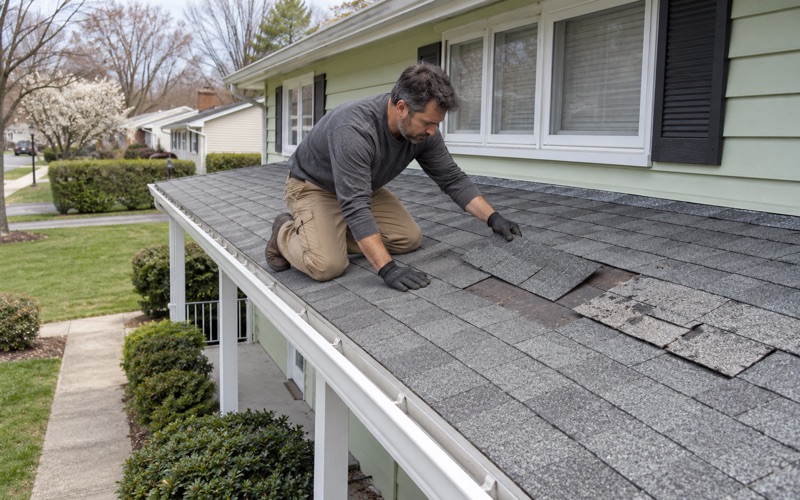
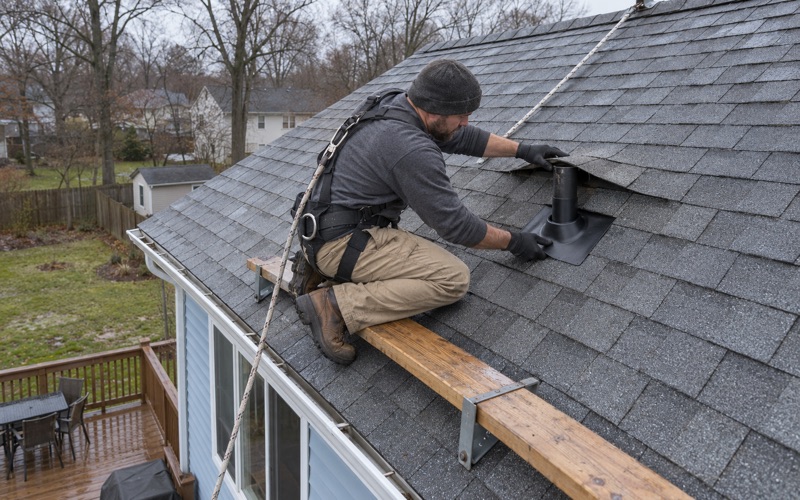
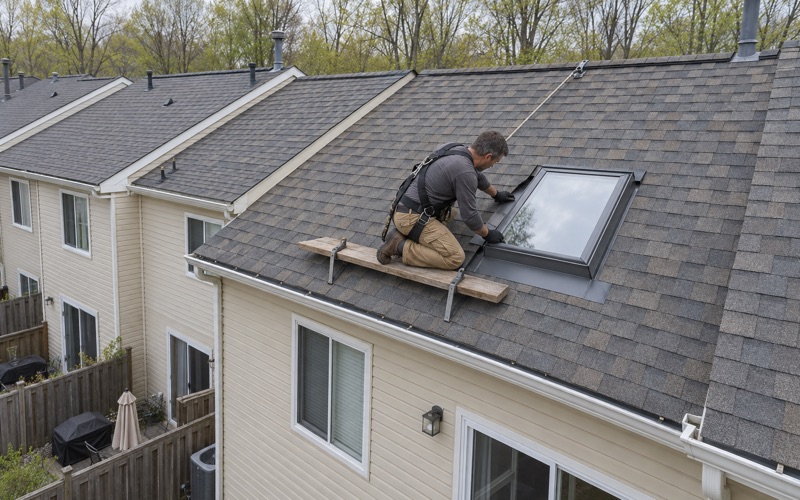
Every leak call starts with a look in the attic as well as on the roof. Water that shows on a bedroom ceiling often enters several feet uphill at a flashing joint or a pipe boot, and we want to see where it actually gets in before we put a price on anything. You hear from us whether the roof can be repaired before replacement ever comes up.
For rented houses we schedule visits around the people living there and send photos after each one. An owner who cannot stand in the driveway still sees what we saw, what we did and what is left to decide.
A College Town That Licenses Its Rental Houses
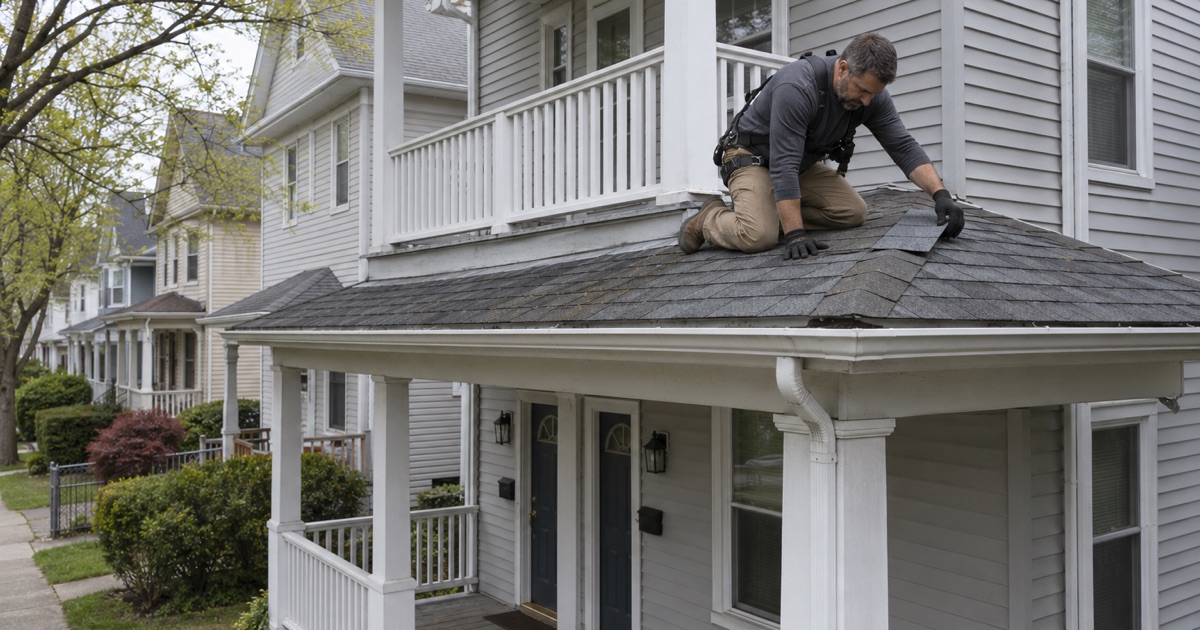
South Orange regulates rentals because of the university in its middle, and it says so in writing. Ordinance 09-18, passed on final reading on July 27, 2009, opens with findings about landlords renting to unrelated persons whose conduct breaches the peace. It then states that this condition is “in major part due to the presence of numerous university students in the community, a condition present in relatively few communities.”
The university is Seton Hall, whose 58-acre main campus sits on South Orange Avenue. It counted 9,529 students in fall 2023, and the village built a licensing system with that neighbor in mind. For a roofer, the result is practical rather than political: a rented house covered by the ordinance is required to have a registered owner and a posted contact.
What the ordinance covers, and what it leaves out
It is worth being plain about the limits here. Ordinance 09-18 governs registration, licensing and tenant conduct, and nothing in it speaks to roofs, shingles or leaks. We do not tell landlords that a rental license depends on the roof, because the text does not say that.
What the ordinance does give us is structure. When a tenant calls about water coming through a ceiling, there is already a record of who owns the property and who answers for it. That shortens the time between the first drip and the first tarp.
Why a roof call in a rental moves differently
In an owner-occupied house the person who notices the leak is the person who signs the estimate. In a rental those are two different people, and sometimes three when an agent sits between them. Our job is to make sure the one with authority gets clear information quickly, with photos from the attic and the roof surface rather than a secondhand description.
Looking for roofing closer to Hanover? See Roofing Services in Hanover.
What Ordinance 09-18 Asks of a Landlord, and the Contact by the Door
Under the 2009 text, every residential rental registers with the Village Clerk each year on September 1, whether or not it is occupied at the time. A single-family rental property carried a $50 annual fee in that text, and a multi-family property of two or more units carried $100. We quote those figures from the 2009 ordinance; amendments since then are something to confirm with the village directly.
The filing lists the owner, any management agent, the emergency contact, tenants and lease terms, the mortgage holder and even the fuel-oil supplier. Owners amend the record within 7 days when something changes. Once registered, each unit is separately licensed.
The posted license and emergency contact
Section 10 of the ordinance requires owners to post the current license and emergency contacts at the rental property. The village landlord page adds that the license itself must be displayed there. For us, that posted sheet is often the most useful document in the house.
When a tenant calls us about a leak, we ask them to read us the emergency contact by the front door. That person is usually the one who can approve a tarp, an attic inspection and a repair. If the tenant has already reached them, we take the call from the owner and go from there.
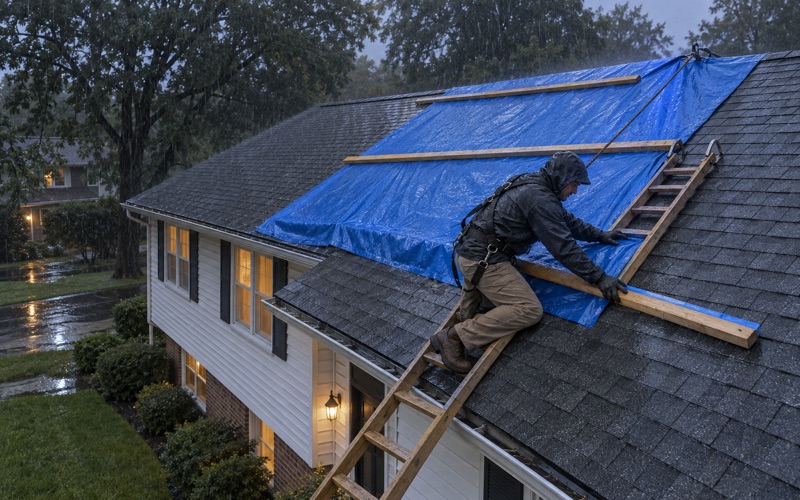
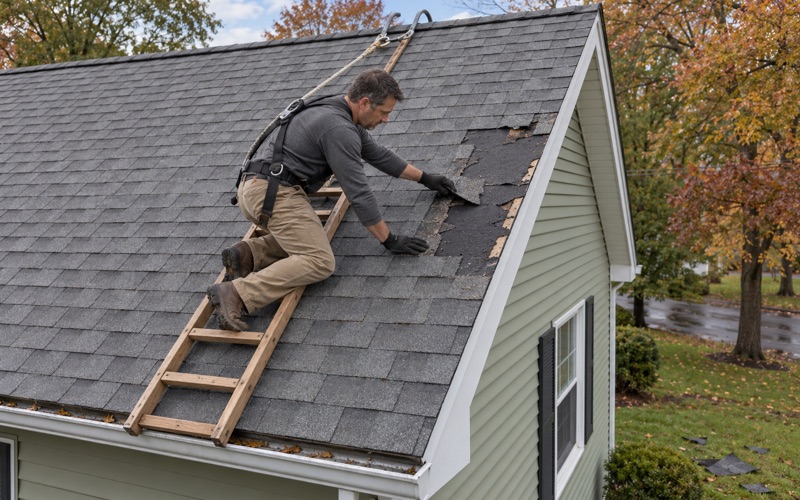
A tarp is a small decision, but it is still the owner’s decision. We describe what we would cover, why and for how long, and we wait for a yes from the posted contact or the owner before anyone climbs a ladder. Tenants are never asked to authorize work on a house they do not own.
What we send the person who approves the work
An absentee owner needs enough information to decide without driving over. After the first visit we send attic photos showing where water entered, roof photos showing the cause, and a short written note on whether a repair will hold. If replacement is the honest answer, the written scope lists tear-off, decking, underlayment, flashing, ventilation and gutters as separate lines.
That itemized format matters when an owner is collecting more than one estimate from a distance. Line by line comparison is the only fair way to compare two roofers, and it is hard to do when every price is a single number.
Owners Who Live Elsewhere and the Rental Calendar
The ordinance anticipates owners who do not live in South Orange. A non-resident owner of a multi-family rental must name a resident agent who lives in the village, while owners of two-family houses are exempt from that agent rule. In practice that means some leak calls reach a local agent, and others go straight to an owner in another town or another state.
We work with either. An agent may have authority to approve a tarp but not a full replacement, and we write our estimates so they can be forwarded to the owner without any translation. The contract follows New Jersey’s home improvement rules, including the three-day cancellation notice, and it arrives as a document the owner can sign wherever they are.
Planning around the September 1 cycle
September 1 is the registration date, and it also sits near the turnover point for many leases in a college town. A landlord who knows a roof is near the end of its life often wants the work done while a house is between tenants. We are glad to plan replacements for that window when an owner gives us notice.
When the house is occupied, we schedule around the tenants instead. That means agreeing on start times, keeping walkways open and making sure the people inside know which days the crew will be overhead.
Keeping the house livable during a replacement
A tear-off on an occupied rental puts dust, debris and nails near people who did not hire us. At the end of every work day we clean the driveway, the yard and the gutters, and we run a magnet sweep for roofing nails. Any damaged decking we find once the old roof is off is photographed and shown to the owner before it is replaced, at the per-sheet price written into the contract.
That photo step is especially useful for an owner who lives elsewhere. Nobody has to take our word that a sheet of plywood was soft; the picture shows it.
Rental Houses Near Seton Hall and the Two-Family Exception
The rented houses this ordinance targets are a small share of the village’s housing. The 2024 five-year American Community Survey counts 67 renter-occupied detached houses and 231 renter-occupied units in two-unit buildings. Most rented homes in South Orange are apartments in larger buildings, which are a different kind of roofing job.
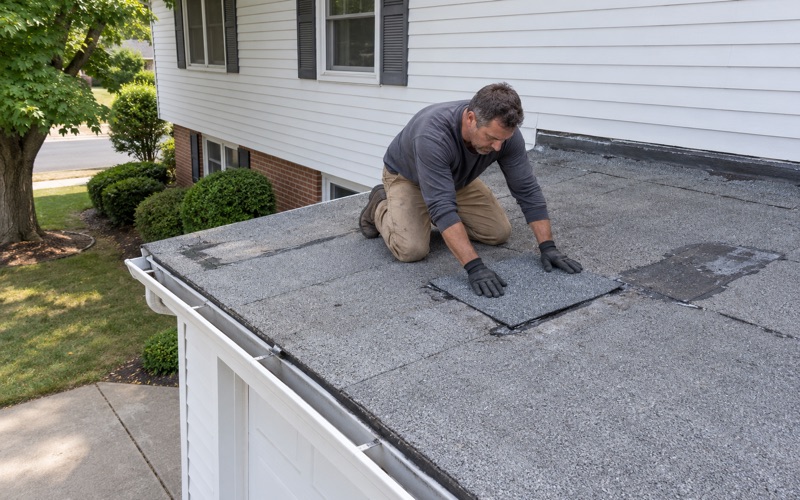
Those detached houses and two-family homes are where our work concentrates for landlords. They are pitched-roof houses with chimneys, valleys and dormers, and they leak in the same places any older house does. The difference is only in who answers the phone.
The housing stock is old across the village, which shapes what we find on these roofs. The same survey counts 2,701 of 6,208 housing units built in 1939 or earlier, more than four in ten. On a house that age we expect earlier repairs, mixed flashing materials and decking that has seen more than one roof, and we price the visit with that in mind.
When the owner lives in one unit
The village landlord page states that a two-family home where the owner lives in one unit is not covered by the rental registration ordinance. That owner has no posted rental license, but they are also usually the person who notices the leak first. The village adds that all rental units remain subject to its Certificate of Habitability provisions, and we leave questions about that certificate to the village itself.
For an owner-occupant renting the other floor, we coordinate access to both units. A leak above the upstairs tenant is often traced in an attic reached through their space, so we arrange the visit with both households.
Permits, layers and what a replacement involves
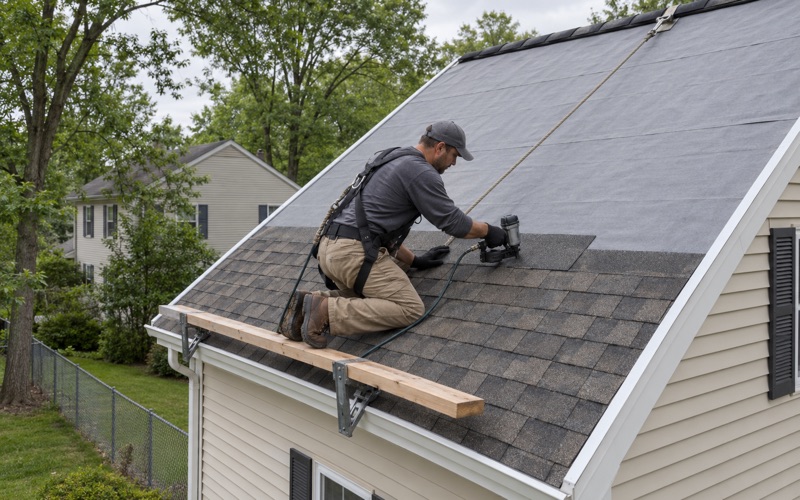
Replacing the roof covering on a detached one- or two-family house is ordinary maintenance under New Jersey’s construction code, and it needs no permit. The state’s rehabilitation rules do limit a roof to two layers and require the existing covering to come off before new material goes on when the roof is already at that limit. We check the layer count on the first visit so the scope is accurate from the start.
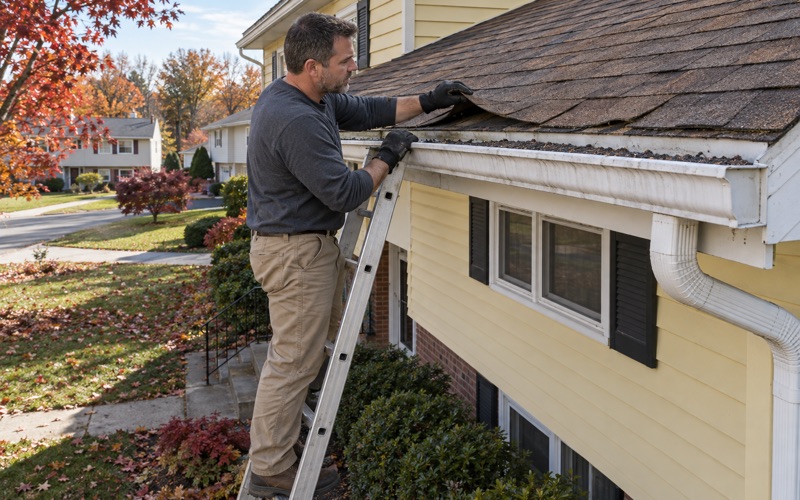
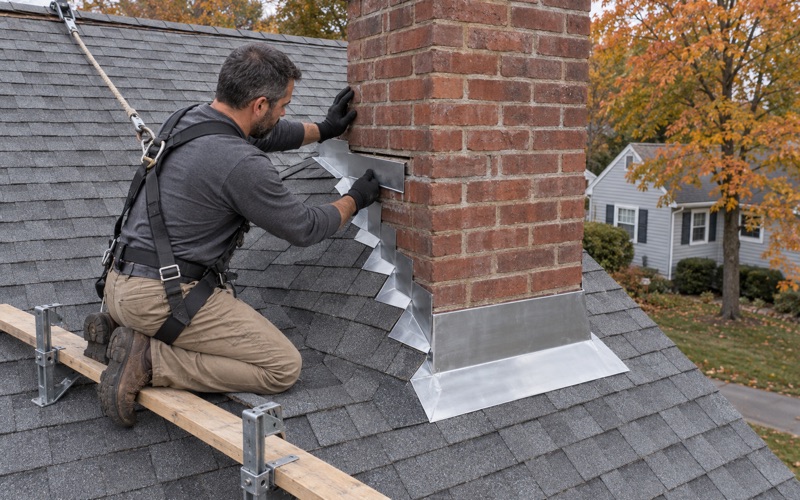
On every replacement we check attic ventilation, because a roof that cannot breathe ages from underneath. Step, counter and chimney flashing is replaced with the new roof rather than reused, and gutters and leaders are sized and pitched so water leaves the house instead of collecting at the foundation.
If storm damage is the cause, we photograph it and write it up for the owner’s own insurance claim. We will meet the adjuster at the house when asked, though the claim itself stays between the owner and the insurer.
- 20+ Years Roofing
- Itemized Written Estimates
- Attic-to-Ridge Leak Tracing